
 Click to WhatsApp
 +91-9899993637
Minimally invasive, Image-Guided Vertebroplasty – An Advanced Treatment for Spinal Osteoporosis, Osteoporotic or Neoplastic Vertebral Fractures at World Class Hospitals in India.
You Deserve to Get Back to Pain Free, Good Quality Life Soon
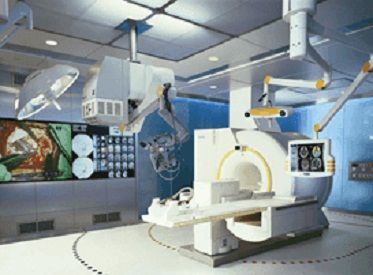
If you have been advised spine neurosurgery your first choice should be the latest minimally invasive technique developed by our world class hospitals in India. Most advanced Technology like Intra Operative MRI, Brain Suite and Computer Assisted Navigation System are deployed by highly trained surgeons for accurate and safe Spine Surgeries through a small incision.
Why you should choose World Class Hospitals in India for Most Advanced Minimally Invasive Vertebroplasty Treatment ?



Treatment of Spinal Osteoporosis and Painful Vertebral Conditions
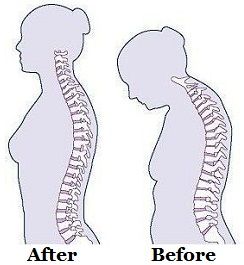 Osteoporosis is a condition where the bone density decreases with advancing age, due to deficiency of calcium and vitamin D. With increased life expectancy, osteoporosis has emerged as a potentially disabling condition of the old age. This condition makes the bones of the body weak and susceptible to fractures, especially of the spine. Approximately 85% fractures in old age are caused by osteoporosis
Osteoporosis is complicated by vertebral fracture that occurs spontaneously or is caused by minor trauma. These vertebral fractures are often highly painful and are treated with immobilization, analgesic drugs, and specific treatment of osteoporosis. But immobilization increases demineralization. Therefore in spite of long-term medical treatment, some patients have severe, persistent, incapacitating pain. Later consequences of vertebral fracture include reduced height, kyphosis (hunch back), and chronic back pain. Request a Call Back
Percutaneous vertebroplasty has now a widely accepted safe and effective minimally invasive treatment of painful Vertebral Conditions.
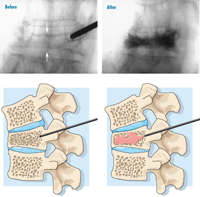 Vertebroplasty also known as Percutaneous Vertebroplasty is a spinal procedure in which bone cement is injected through a small hole in the skin (percutaneously) into a fractured vertebra with the goal of relieving the pain of osteoporotic compression fractures and providing strength to the bone. Vertebroplasty is used for patients with vertebral compression fractures due to osteoporosis, metastatic tumors, or benign tumors such as vertebral heamangiomas. It also provides vertebral stabilization when the lesion threatens the stability of the spine. Vertebroplasty can increase patient mobility, decrease narcotic needs, and prevent further vertebral collapse.
Vertebroplasty is a minimally invasive, image-guided procedure done by a spine surgeon. It is performed on out patient basis under local anaesthesia and light sedation. During the procedure, bone cement, polymethylmethacrylate(PMMA) is injected with a biopsy needle into the collapsed or fractured vertebra with x-ray guidance. The acrylic cement quickly dries and forms a support structure within the vertebra that provides stabilization and strength. The needle makes a small puncture in the patient’s skin that is easily covered with a small bandage after the procedure.Get Estimate
We Assure Most Affordable Estimates with in 48 Hours from Top Hospitals in India.






Benefit from our Highly Negotiated Surgery/Treatment Packages
We can help you Save up to 40 Percent on Cost of Medical Treatment/Surgery Packages at World Class Hospitals in India
After you send the Medical reports to us by Email or WhatsApp, Our experts will forward your case for expert opinion to the specialists who have the best expertise for the treatment required by you.
You will get competitive medical estimates from at least three top hospitals in India within max 48 hours. This is a FREE No Obligation Assistance Service offered by SafeMedTrip.com
We Provide Free Assistance for Medical Opinion, Travel & Medical Visa Assistance, Airport Pick up, Economical Hotel Stay, Complete Local Support 24X7.
How it Works – Get Most Affordable Treatment in India
 |
Send medical reports by WhatsApp/Email |
 |
Receive quotation(s) within 48 Hours |
 |
Get Free Medical Visa & Airport Pick up |
 |
Medical Treatment Assisted & Fly Back Home |
Frequently Asked Questions
Once you have decided that you want to get treatment in India you can email us your latest medical reports and accompanying X-Rays, MRI Scans and other relevant medical documents at help@safemedtrip.com or Call or WhatsApp us on +91-9899993637 for one to one discussion with our executives.
Once we receive your reports, we will get them reviewed by our medical experts and will send you a detailed treatment package consisting of doctor’s diagnosis, treatment plan, cost of treatment, duration of stay in hospital and duration of stay in India besides other relevant details.
Once you have confirmed to us that you want to proceed further to get treatment in India, our team will help you with the Indian medical visa assistance and documentation process. We will also help you in arranging for a comfortable local stay for you and your attendant. You don’t have to send any money in advance.
Savings can be from 30-50%, depending upon the procedure and the destination. Your treatment will be carried out from only the best hospitals in India that are NABH accredited and have specialists that are recognized globally for their expertise.
From the date you decide on one of the three affordable treatment packages offered to you. It may take 1- 3 weeks to obtain Medical Visa and book flight tickets. We have zero waiting period and you can be received at the Airport on arrival and immediately admitted at hospital and treatment will start.
Its advisable that you should not delay your treatment particularly in case of severe illnesses like Cancer, Heart or Spine etc. Early start of treatment results in quick recovery and lower expense compared to delay of treatment.
The difference in cost package due to the labour and insurance costs of the hospital operating in India, and not by the difference in the quality of treatment.
Each patient is assigned to a SafeMedTrip Patient Case Manager who will take care of every single detail ranging from arrival to send off.
Yes, of course. We will provide you with complete assistance in selecting high-quality hotels near the hospital location that fits your budget.
You will be given a complete profile of the specialist before you proceed for the treatment. On special request, we will be happy to connect you with him through a teleconferencing service facilitated by Skype.
Stella Gimba from Kenya shares her experience about Advanced Spine Treatment in India relieved her of back pain and made her life joyful.

Last Year I was unable to walk without assistance and had minimal function of my hands. Six months earlier I began experiencing cramping in my legs. As my symptoms worsened, I saw several specialists and had an MRI and CT scan of my lumbar spine.
The MRI of the cervical spine showed severe spinal cord compression at levels C4 through C7 which resulted in a condition called myelopathy, the cause of my symptoms. The spine surgeon met me and explained in detail what was causing my symptoms and the type of surgery necessary to take pressure off the spinal cord.
Today I can cook simple meals. I can go for morning walk again and take short shopping trips. I’ve had a complete turnaround in my quality of life since the spine surgery in India. Thank you everyone at SafeMedTrip.com. Refer a Patient
Get the SafeMedTrip Advantage
 Get Expert Medical Opinion/ Second Opinion – Send us the Medical reports by Email or WhatsApp and we will get you Expert Advice and Treatment Cost Estimates from Top Specialist at Three of India’s leading hospitals within 48 hours.
 Free Concierge Services – Once you decide to come to India, We will arrange Priority Scheduling of Hospital Appointments, Travel & Visa Assistance, Airport Pick up, Economical Hotel Stay, Complete Local Support 24X7.
 No Obligation – Zero Cost Assistance. We do not collect any service fee from patients. You will directly pay the hospitals after you arrive in India. We ensure Quick, Hassle Free, Affordable Treatment at World Class hospitals in India.